Showing posts with label city planning. Show all posts

Saturday, June 17, 2023

City of Bath

The City of Bath by Barry Cunliffe, 175 pages
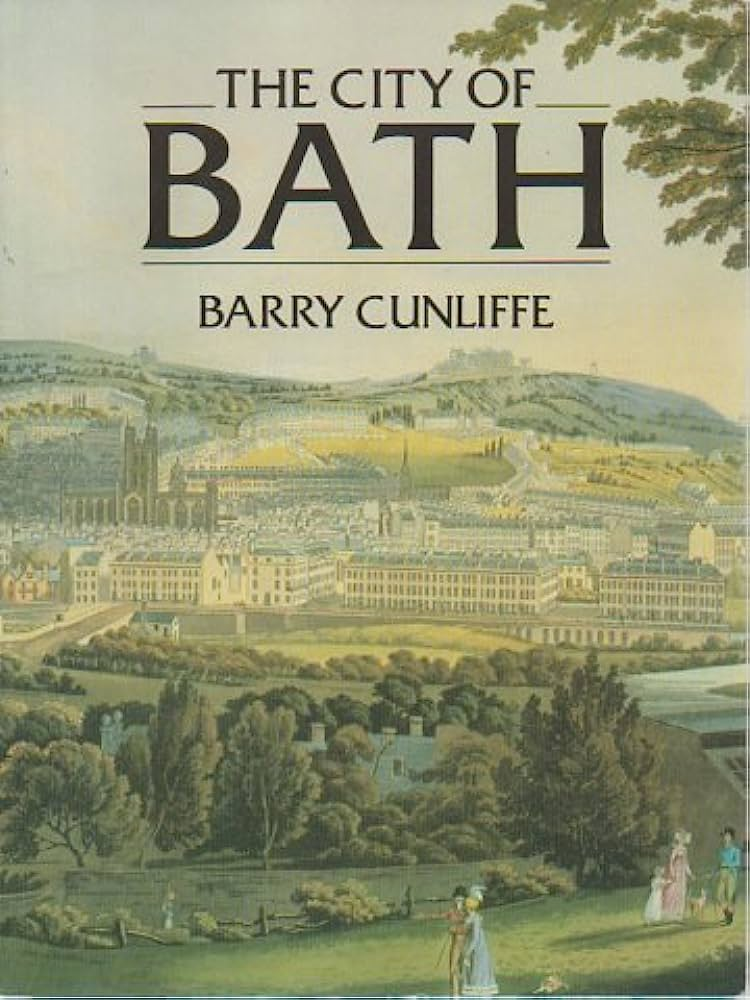
Not to be confused with the seat of Steuben County, the city of Bath in Somerset has been occupied since the Romans built a public bath and temple over the hot springs in the first century AD.  Through the following millennia its fortunes rose and fell, becoming in turns home to a magnificent abbey, a site of royal coronations, a sleepy backwater, a fashionable (and later unfashionable) resort, a headquarters for the Royal Navy, and a tourist town.  It is its Georgian phase, as its 18th century magnificence turned increasingly shabby in the 19th, that it is best remembered today, largely through the novels of Jane Austen.

Barry Cunliffe surveys the material history of the city throughout its lifetime, charting the changing buildings and streets.  Those hoping for a history of the people are likely to be disappointed, for Cunliffe doesn't even waste much time with anecdotes about major figures.  Those who prefer unadorned facts, on the other hand, are likely to be pleased, although perhaps even they would appreciate a master map somewhere among the many fine illustrations.

Thursday, December 20, 2018

COLONIAL ST LOUIS: BUILDING A CREOLE CAPITAL

COLONIAL ST. LOUIS: BUILDING A CREOLE CAPITAL by Charles E. Peterson 
69 pages

Reviewed by Rae C.

If you are interested in history generally, or the specifics of land distribution and uses, types of buildings and building materials, this is a great book.  Be sure to read the footnotes, a lot of information is in the footnotes.

If you are interested in just the French roots of St. Louis this is a little too much detail, a lot of inventories -types of nails used, lumber specifications- etc.  But I did enjoy it.  The "Creole Capital" is so called because of the layout of the streets and the use of French measurements and city planning, and much is styled on New Orleans.  A lot of tidbits about Chouteau and what sort of house he lived in.  There is mention of slaves, of early trades, of the original common use pastures.

It's only 69 pages, but it is so dense with information that it took me several months to read, and I often had to go back and re-read portions, especially the footnotes.