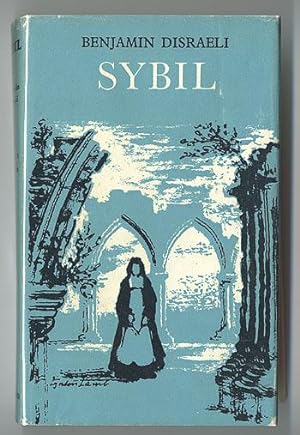
 Sybil, or, The Two Nations by Benjamin Disraeli, 431 pages
Benjamin Disraeli's spiritual sequel to Coningsby follows Charles Egremont, younger brother of Lord Marney, who as a newly elected Member of Parliament abandons the family home after an argument with his brother. By chance Egremont becomes intimately acquainted with the working class Walter Gerard, his daughter Sybil, and their crusading journalist friend Stephen Morley. He soon comes to understand the plight of the English workers, to share the Gerards' Cobbett-inspired view of history, and to desperately love the saintly Sybil. In a nation increasingly torn by civil strife, however, it seems that it will take more than love to bridge the class divide.
If Coningsby at times suggested a masculine Austen, Sybil foreshadows Gaskell, Dickens, and even Zola. The major shortcoming of the novel is its protagonist, Egremont, who is never as interesting as the supporting characters and who nearly disappears as the climax approaches. His dullness is compounded by Disraeli's heavy reliance on narration, so that, for example, we are told of the rousing speech Egremont delivered on the floor of Commons but do not see it, nor the immediate reaction to it, which is much like if we were told about Darcy's letter to Elizabeth without actually being allowed to read it.

